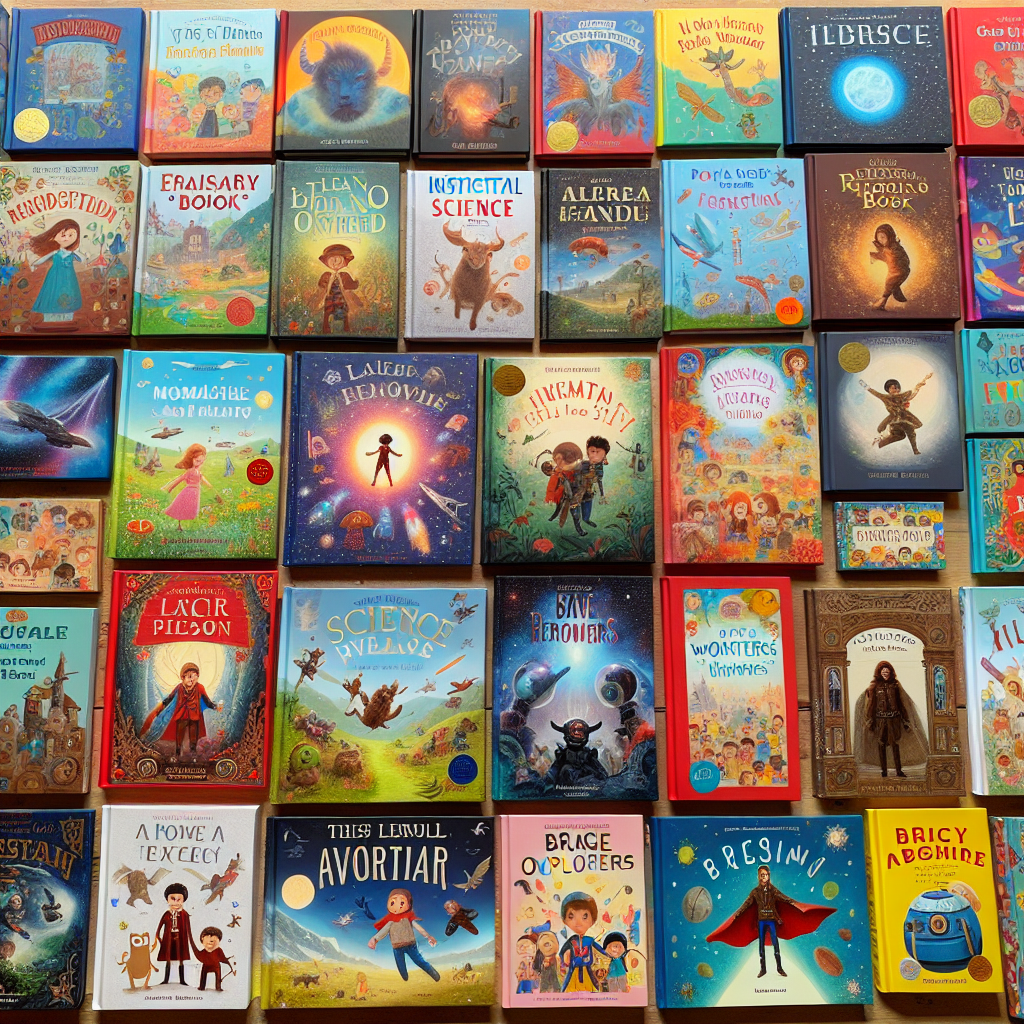
Check out popular children’s books here: https://amzn.to/4d3EWms.
The Impact of Classic Children’s Books on Childhood Development
When it comes to children’s books, there are some classics that have stood the test of time and continue to be beloved by generations of young readers. These books not only entertain children but also have a significant impact on their development. From fostering imagination to teaching important life lessons, classic children’s books play a crucial role in shaping young minds.
One of the most famous children’s books of all time is “Alice’s Adventures in Wonderland” by Lewis Carroll. This whimsical tale takes readers on a journey through a fantastical world where anything is possible. It encourages children to use their imagination and think outside the box. Plus, who wouldn’t want to have a tea party with a Mad Hatter and a Cheshire Cat?
Another classic that has captured the hearts of children for decades is “Charlotte’s Web” by E.B. White. This heartwarming story about the friendship between a pig named Wilbur and a spider named Charlotte teaches children about the power of kindness and the importance of standing up for what is right. Plus, it’s hard not to shed a tear when Charlotte writes “Some Pig” in her web to save Wilbur’s life.
Speaking of tears, “The Giving Tree” by Shel Silverstein is a book that can bring even the toughest of adults to their knees. This simple yet profound story about the unconditional love between a tree and a boy teaches children about selflessness and the joy of giving. It’s a book that reminds us all to appreciate the beauty of nature and the importance of cherishing the relationships in our lives.
Moving on to a more mischievous classic, “Where the Wild Things Are” by Maurice Sendak takes readers on a wild adventure with a young boy named Max. This book encourages children to embrace their imagination and explore their emotions. Plus, who wouldn’t want to be crowned the king of all wild things?
And let’s not forget about the magical world of Harry Potter. J.K. Rowling’s series has captivated millions of children (and adults) around the world. These books not only transport readers to a world of wizards and magic but also teach important lessons about friendship, bravery, and the power of love. Plus, who wouldn’t want to receive a letter from Hogwarts and learn how to cast spells?
In conclusion, classic children’s books have a profound impact on childhood development. They foster imagination, teach important life lessons, and create lasting memories. Whether it’s diving down the rabbit hole with Alice, learning about friendship from Charlotte and Wilbur, or exploring the wild things with Max, these books have the power to shape young minds and create a love of reading that lasts a lifetime. So, the next time you’re looking for a book to share with a child, consider reaching for one of these timeless classics. Who knows, you might just be creating a lifelong reader and shaping a future wild thing.
Exploring the Themes and Lessons in Contemporary Children’s Literature

When it comes to popular children’s books, there is no shortage of options to choose from. From classics like “Charlotte’s Web” to modern hits like “Harry Potter,” the world of children’s literature is filled with captivating stories and memorable characters. But what sets these books apart and makes them so popular among young readers? Let’s dive into the themes and lessons found in contemporary children’s literature and discover why these books continue to capture the hearts and imaginations of children everywhere.
One prevalent theme in children’s literature is the power of friendship. Many popular books feature unlikely friendships that blossom and grow throughout the story. Take, for example, the beloved tale of “The Lion, the Witch, and the Wardrobe.” In this magical world, four siblings stumble upon a wardrobe that leads them to the land of Narnia. Along the way, they befriend talking animals and mythical creatures, forming a bond that helps them overcome challenges and defeat the evil White Witch. This theme of friendship teaches children the value of loyalty, trust, and the importance of standing by their friends.
Another common theme in children’s literature is the journey of self-discovery. Books like “Alice’s Adventures in Wonderland” and “The Little Prince” take readers on whimsical adventures where the main characters learn more about themselves and the world around them. These stories encourage children to embrace their uniqueness, follow their dreams, and never be afraid to question the status quo. Through these tales, children are inspired to explore their own identities and discover their passions.
Children’s literature also often tackles important life lessons in a lighthearted and humorous way. Books like “Matilda” and “Charlie and the Chocolate Factory” by Roald Dahl are prime examples of this. In “Matilda,” readers are introduced to a young girl with extraordinary intelligence and telekinetic powers. Through her journey, children learn about the importance of kindness, standing up for what is right, and the power of education. Similarly, in “Charlie and the Chocolate Factory,” children are taught about the consequences of greed and the value of humility. These books use humor and wit to engage young readers while imparting valuable life lessons.
Furthermore, contemporary children’s literature often addresses important social issues. Books like “Wonder” by R.J. Palacio and “The Hate U Give” by Angie Thomas tackle topics such as bullying, discrimination, and social justice. These stories provide children with a platform to discuss and understand complex issues in a relatable and accessible way. By exploring these themes, children’s literature helps foster empathy, compassion, and a sense of social responsibility in young readers.
In conclusion, popular children’s books are popular for a reason. They not only entertain but also educate and inspire young readers. Through themes of friendship, self-discovery, life lessons, and social issues, these books provide children with valuable insights and lessons that will stay with them for a lifetime. So, the next time you’re looking for a book to share with a child, consider one of these popular titles and watch as their imagination takes flight.
The Evolution of Illustrations in Popular Children’s Books
Once upon a time, children’s books were simple affairs, with plain text and minimal illustrations. But oh, how times have changed! Today, popular children’s books are a feast for the eyes, bursting with vibrant colors and intricate drawings that bring the stories to life. In this article, we will take a whimsical journey through the evolution of illustrations in popular children’s books.
Let’s start at the beginning, shall we? In the early days, illustrations were a luxury. Publishers believed that children were more interested in the words than the pictures, so they skimped on the artwork. But then along came a visionary named Randolph Caldecott. With his charming illustrations, Caldecott revolutionized the world of children’s books. Suddenly, pictures were just as important as the words, and children couldn’t get enough of them.
As the years went by, illustrators became bolder and more imaginative. They experimented with different styles and techniques, pushing the boundaries of what was considered “acceptable” in children’s literature. Gone were the days of simple line drawings. Now, books were filled with lush watercolors, intricate collages, and even mixed media. The illustrations became works of art in their own right, captivating both children and adults alike.
One of the most iconic illustrators of this era was Maurice Sendak. His book “Where the Wild Things Are” took the world by storm with its whimsical illustrations and imaginative creatures. Sendak’s illustrations were a perfect match for the wild and untamed imagination of children. His use of bold colors and intricate details brought the story to life in a way that words alone never could.
But the evolution of illustrations didn’t stop there. With the advent of technology, a whole new world of possibilities opened up for illustrators. Suddenly, they had access to digital tools that allowed them to create stunning visuals with just a few clicks of a mouse. The illustrations became more dynamic and interactive, drawing children even deeper into the story.
Today, popular children’s books are a visual feast. Illustrators are constantly pushing the boundaries of what is possible, creating breathtaking illustrations that captivate young readers. From the whimsical worlds of Dr. Seuss to the enchanting illustrations of Eric Carle, there is no shortage of visual delights in the world of children’s literature.
But amidst all the dazzling illustrations, it’s important not to forget the power of a good story. After all, illustrations may draw children in, but it’s the words that keep them hooked. A truly great children’s book is a perfect marriage of words and pictures, each complementing and enhancing the other.
So the next time you pick up a popular children’s book, take a moment to appreciate the evolution of illustrations. From the simple line drawings of the past to the digital masterpieces of today, illustrations have come a long way. They have the power to transport children to magical worlds, ignite their imaginations, and instill a love of reading that will last a lifetime. And that, my friends, is truly something to marvel at.
Leave a Reply